Interior Design Business: Contemporary Solutions for Contemporary Living Spaces
The domain of interior design is evolving, with organizations now focusing on innovative solutions for modern living spaces. By adopting minimalism and integrating smart technologies, these organizations create environments that enhance wellness and functionality. Sustainable materials play a critical role, reflecting a growing awareness of eco-friendly choices. Yet, the interplay of design elements such as color psychology and personalized spaces calls for further exploration of how they shape our daily lives.
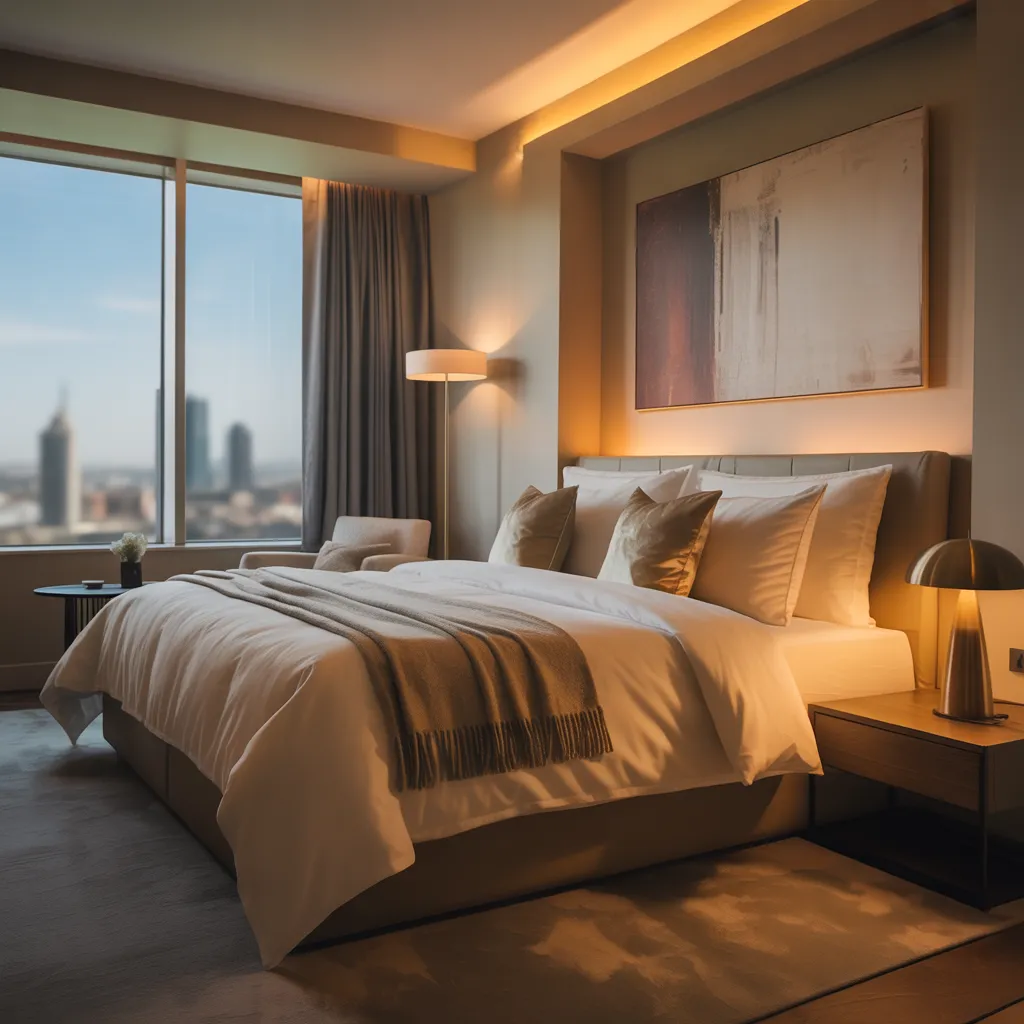
Adopting Minimalism: The Force of Less
As more individuals search for peace in their residential areas, implementing minimalism appears as a robust design methodology. This philosophy highlights simplicity and usefulness, removing clutter to establish peaceful surroundings. By focusing on essential elements, minimalism promotes serenity and understanding, helping dwellers to recognize the charm of their setting without disturbance.
Embracing minimalism into interior design involves picking a limited color palette, selecting clean lines, and emphasizing quality over quantity in furnishings. Clear areas become a hallmark of this style, creating a feeling of freedom and spaciousness. Natural light plays a important role, enhancing the overall ambiance and joining the indoors with the outdoors.

Furthermore, minimalism fosters thoughtful consumption, prompting individuals to invest in a reduced number of, higher-quality items. This shift transforms not only physical spaces but also cultivates mental wellness, making minimalism a appealing choice for contemporary living.
Smart Home Technology Integration: Technology Meets Design
Smart home integration reflects a harmonious blend of technology and design, elevating both functionality and aesthetics within living spaces. By providing seamless device connectivity, homeowners can regulate various aspects of their environment effortlessly. Visually appealing control systems and automated capabilities further enhance the user experience, making modern living both functional and aesthetically pleasing.
Simple Device Integration
Seamlessly integrating devices within a home has become more prevalent as technology advances. Homeowners now search for systems that enable effortless connectivity among devices, improving functionality and convenience. Advanced systems enable various smart devices—such as lighting, temperature control, security systems, and entertainment units—to interact with one another. This interconnectedness allows users to control their environments through easy-to-use interfaces or voice commands, optimizing daily tasks. Additionally, such integrations contribute to energy efficiency, as devices can adapt automatically based on user habits and preferences. The design of these systems often focuses on user experience, making certain that technology complements the aesthetic of modern living spaces while providing practical benefits. Eventually, seamless device connectivity changes how individuals interact with their homes.
Aesthetic Interface Controls
During the design of a modern home, the integration of aesthetic control interfaces plays a key role in enhancing both functionality and visual appeal. These interfaces, which include touch panels, voice-activated systems, and sleek remote controls, allow homeowners to manage numerous aspects of their living environment seamlessly. By prioritizing design, these interfaces blend harmoniously with the overall décor, eliminating the harsh contrast often associated with traditional technology. This thoughtful integration not only improves the user experience but also reinforces the notion that technology can be an elegant part of home design. As homeowners seek to create spaces that reflect their personalities, aesthetic control interfaces emerge as indispensable components, combining style with advanced functionality to redefine modern living.
Smart Home Functions
More and more homeowners are turning to automated home functions to simplify their daily routines and enrich their living environments. Smart home integration represents a seamless combination of read more technology and design, empowering users to control lighting, heating, and security systems through intuitive interfaces. This functionality not only increases convenience but also supports energy efficiency, as homeowners can observe and manage their consumption remotely. In addition, modern interior design now incorporates these systems aesthetically, guaranteeing that technology blends harmoniously with home styling. By giving priority to user experience and visual appeal, automated home functions revolutionize contemporary living spaces, supplying both comfort and sophistication. As the demand for smart solutions rises, the future of interior design will continue to evolve parallel to technological advancements.
Green Building Materials: Earth-Friendly Selections for Today's Houses
Eco-friendly materials are growing progressively vital in modern interior design, offering various benefits such as reduced environmental impact and enhanced indoor air quality. Common eco-friendly choices include salvaged wood, bamboo, and repurposed metals, all of which support a healthier living space. Moreover, creative green design trends are emerging, showcasing how beauty and sustainability can effortlessly merge in contemporary homes.
Perks of Environmentally Friendly Materials
As homeowners steadily embrace eco-conscious principles, the benefits of using sustainable materials in interior design become more apparent. Sustainable materials simultaneously decrease environmental harm while promoting healthier residential areas. Such materials frequently create fewer toxic emissions, boosting indoor atmospheric quality and supporting occupant health. Moreover, they generally offer greater durability, producing long-term designs necessitating reduced replacement frequency. Through commitment to eco-friendly materials, property owners can advance green initiatives and possibly reduce utility expenses via improved insulation. In addition, employing such materials can improve the design appeal of a space, harmonizing current design with intentional living. By this means, sustainable materials deliver pragmatic and principled advantages, rendering them an intelligent selection for modern residences.
Leading Eco-Friendly Selections
While the demand for sustainable interior design keeps growing, several materials distinguish themselves for their sustainability and visual appeal. Bamboo, recognized for its fast growth and renewability, acts as a popular choice for flooring and furnishings. Reclaimed wood, with its distinctive history and character, provides an eco-aware alternative to new timber. Cork, collected from the bark of cork oak trees, offers both insulation and a distinctive texture. Furthermore, recycled glass is more frequently used in countertops and tiles, bringing a vibrant touch while decreasing waste. Decomposable textiles, like organic cotton and hemp, enhance the environmentally responsible aspect of upholstery and curtains. These materials not only promote a healthier environment but also elevate the visual charm of modern living spaces.
Modern Sustainable Design Movements
With the increasing emphasis on environmental responsibility, innovative green design trends are transforming modern homes by incorporating eco-friendly materials that unite functionality and style. Designers are continually choosing sustainably sourced materials such as bamboo, reclaimed wood, and recycled metals, which not only decrease environmental impact but also present unique aesthetic qualities. In addition, low-VOC paints and finishes boost indoor air quality, while energy-efficient fixtures and appliances lead to reduced energy consumption. The integration of natural elements, such as living walls and green roofs, further enhances the connection between indoor and outdoor environments. These innovative choices showcase a growing commitment to sustainability, empowering homeowners to create spaces that are both beautiful and aligned with eco-conscious values.
Flexible Spaces: Meeting Changing Necessities
In an environment where flexibility and adaptability are paramount, multifunctional spaces have emerged as an crucial solution for today's living standards. These forward-thinking designs cater to the varied requirements of metropolitan inhabitants, providing versatility in restricted living space. By including elements such as foldable furniture, movable partitions, and incorporated storage systems, design professionals craft environments that seamlessly shift between work, leisure, and social activities.
The emergence of work-from-home arrangements and the heightened demand for home-based education have further stressed the importance of adaptable spaces. Home offices can easily change into guest rooms, while dining areas can serve as creative studios. Such designs not only optimize utility but also improve the overall aesthetic of a home.
As living patterns continue to change, the concept of multifunctional spaces will take on significant importance in shaping the future of interior design, securing that living environments remain both pragmatic and attractive.
Nature-Inspired Design: Integrating Nature Inside
Biophilic design, emphasizing the bond between humans and nature, has emerged as a revolutionary strategy in interior design. This methodology attempts to merge natural aspects into architectural environments, encouraging a sense of health and calmness. Designers often incorporate features such as living walls, natural light, and organic materials to mimic the outdoors and create a harmonious atmosphere.
Plants fulfill an important purpose in biophilic design, not only boosting aesthetic value but also enhancing air quality and minimizing stress. Water features, such as fountains or aquariums, more deeply strengthen the tranquil qualities associated with nature.
This approach advocates for the use of organic color palettes, textures, and patterns that mirror natural landscapes. By emphasizing these elements, interior spaces can foster a deeper connection to nature, ultimately resulting in healthier and more comfortable living environments. As urbanization advances, biophilic design offers a significant remedy to the disconnection many feel from the natural world.
The Psychology of Color: Shaping Mood and Ambiance
The incorporation of organic elements in interior design both elevates physical areas and impacts emotional health through color decisions. Hues trigger particular emotions and can significantly influence atmosphere. For instance, warm tones like reds and oranges can energize a room, promoting creativity and enthusiasm. Conversely, calmer tones like blues and greens frequently establish a tranquil environment, perfect for unwinding and concentration.
Grasping color psychology permits designers to craft spaces that align with desired emotional responses. Yellow might stimulate optimism, while muted tones might evoke calmness. The strategic use of color has the ability to transform spaces, making them more conducive to the activities taking place within them.
Whether it's a tranquil bedroom, an inspiring workspace, or a dynamic communal area, color plays a vital role in shaping the ambiance. This awareness enables interior designers to develop holistic living spaces that resonate with the residents' emotional needs.
Individualized Spaces: Customizing Design to Personal Lifestyles
While each individual maintains specific preferences and demands, personalized interior design transcends simple aesthetics to create environments that capture and enrich one's lifestyle. This approach underscores the importance of understanding the client's everyday habits, interests, and functional requirements. By combining elements such as color schemes, furniture choices, and spatial layouts, designers can craft spaces that foster both comfort and efficiency.
For instance, a family with young children may give priority to durable materials and organized storage solutions, while a remote worker might look for dedicated home office spaces that stimulate creativity. Tailored design also considers cultural backgrounds and personal histories, infusing spaces with meaningful artifacts and narratives. Ultimately, the goal is to create harmonious environments that resonate with the inhabitants, transforming houses into homes. In this way, personalized interior design becomes a essential tool for improving quality of life and promoting well-being in modern living spaces.
Popular Questions
What Does an Interior Design Company Usually Charge?
As a rule, hiring an interior design service costs in the range of $50 to $200 per hour, or a flat fee between $1,000 to $10,000, determined by project complexity, designer experience, and location.
How Long Does a Typical Interior Design Project Take to Complete?
An average interior design project typically takes between 6 weeks to multiple months to complete. Factors influencing the timeline include the scope of the project, client decision-making, and the complexity of implemented design elements.
Can I Apply Some of My Design Ideas Independently After Consultation?
Indeed, clients can execute certain design ideas independently after consultation. Numerous experts motivate clients to participate actively, permitting personal creative expression to bloom while confirming the total vision corresponds with the initial concept.
What Credentials Should I Seek in an Interior Designer?
When seeking an interior designer, one must evaluate qualifications such as professional education in design, recognized credentials, a compelling portfolio, client testimonials, and expertise in different styles to provide a well-rounded approach to projects.
Are Virtual Consultations Available for Interior Design Services?
Absolutely, various interior designers present virtual consultation options, facilitating clients in discussing their needs and preferences without being physically present. This approach provides flexibility and convenience, enabling effective collaboration without geographical constraints, finally enriching the design engagement for clients.